Altair HyperWorks 2026
Společnost Altair nyní před koncem roku vydává novou hlavní verzi své simulační platformy – Altair HyperWorks 2026. Altair uvádí, že její HyperWorks jsou nyní rychlejší, intuitivnější a s ještě větší podporou multi-fyziky.
Mezi největší inovace patří další úrovně implementace umělé inteligence s deep learning algoritmy, simulace s redukovanými modely komplexních systémů (ROM) s podporou výpočtů na GPU a AI podpora pro částicové simulace proudění (SPH). Významným posunem by mělo být i navýšení výkonu a rychlosti, a to jak pro modeování rozsáhlých sestav, tak třeba pro elektromagnetické simulace. Nechybí další rozvoj rozhraní (API) pro customizace a automatizace v prostředí Python.
HyperWorks 2026 delivers six key innovations:
AI-powered design and simulation
Geometric deep learning and generative algorithms and GPU-accelerated reduced order modeling (ROM) enable near-real-time predictions and faster validation. Physics-based AI models can be deployed in secure, browser-based environments, producing results up to 1,000x faster than traditional solver simulations. Expanded support for vectors and smoothed-particle hydrodynamics (SPH) broadens domain coverage.
Enterprise-scale pre-processing and model assembly
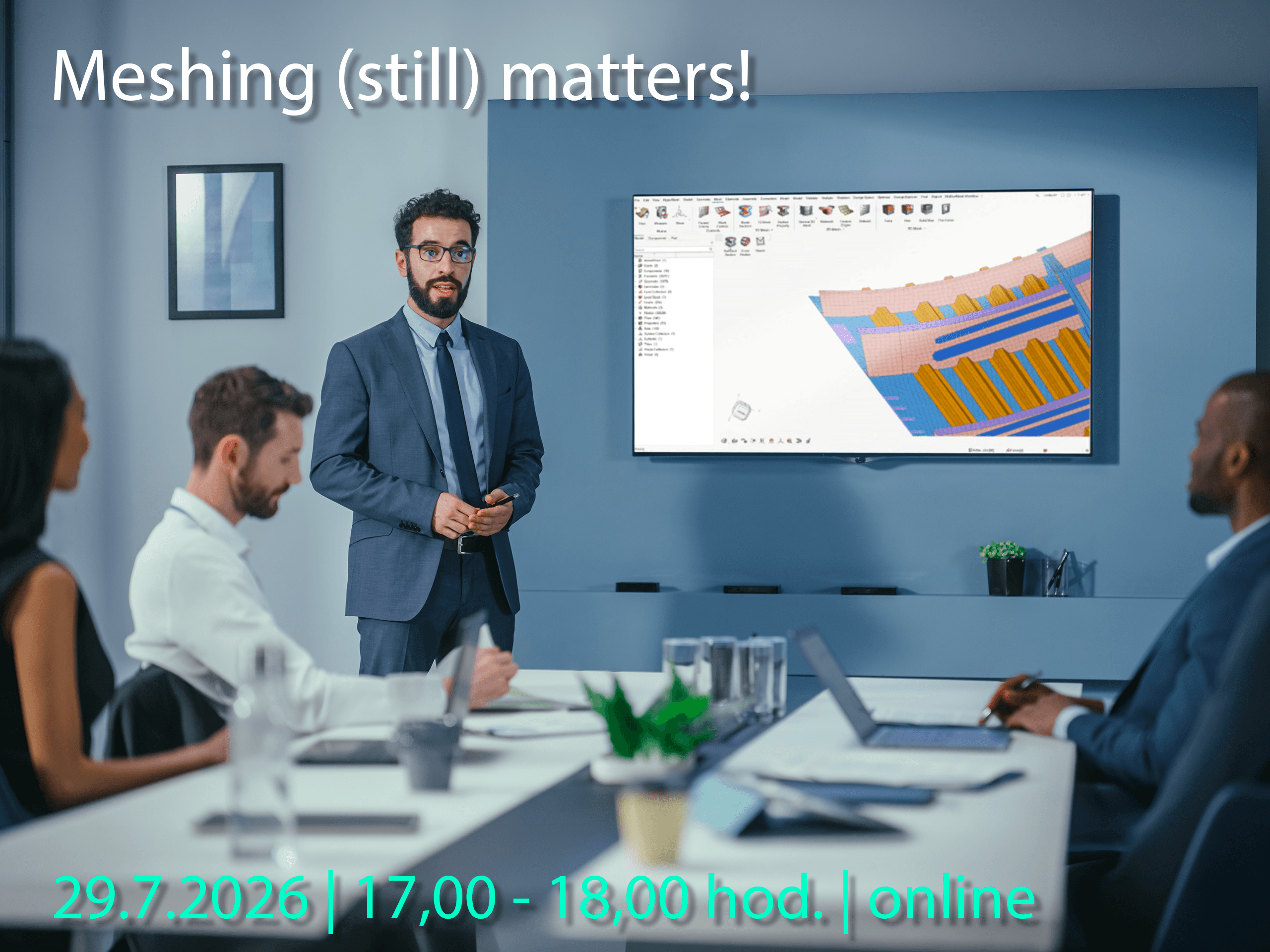
Engineers can now simulate large, complex assemblies with speed and fluidity, shortening build and validation cycles. Enhanced navigation, batch meshing, and connector management streamline pre-processing while direct data management integration helps to ensure consistency across teams.
Integrated multiphysics simulation
Unified solvers and domain coupling allow engineers to analyze complex interactions – such as thermal-fluid or electromagnetic-structural systems – with greater fidelity. New workflows support e-motor optimization, battery safety studies, and high-temperature analysis, while co-simulation standards enhance digital continuity. Electromagnetic simulations run up to 40 percent faster and propagation modeling up to 20x faster with radar and electromagnetic compatibility (EMC) analysis expanded for next-generation applications.
Automation, collaboration and connectivity
Expanded Python and API support, intuitive no-code workflow tools, and cloud integration promote digital continuity. Enhanced visualization and plotting tools simplify result interpretation and sharing, while seamless interoperability with third-party software strengthens digital twin fidelity.
Realistic particle, fluid, and material behavior
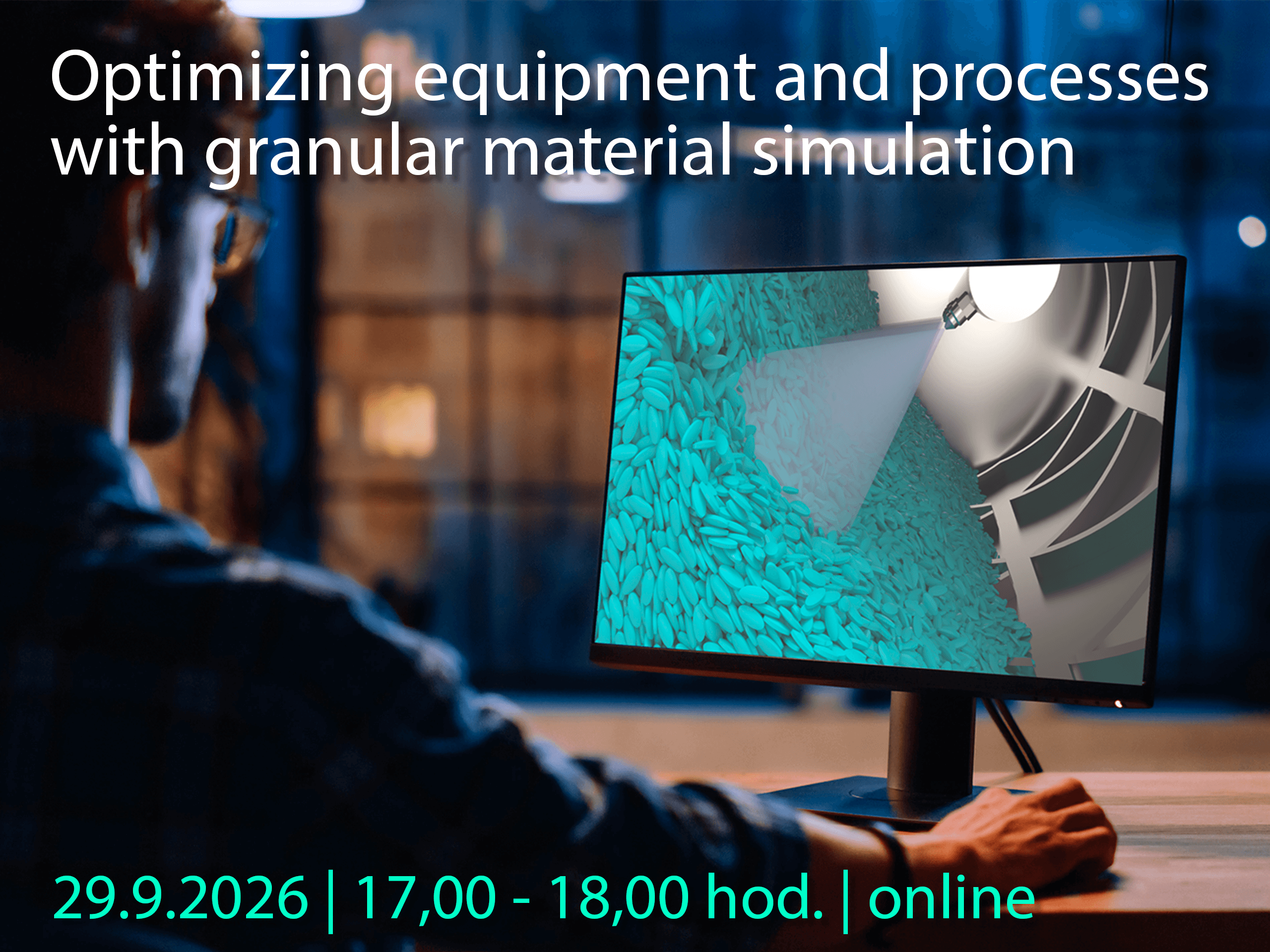
New modeling approaches capture bulk flow, impact behavior, and high-temperature effects with greater realism. Python-based automation accelerates discrete element method (DEM) workflows and coupled solvers enable advanced studies of battery safety and material response.
Intuitive design and motion exploration
A more unified workspace transforms how engineers explore motion and refine geometry. Real-time updates across multi-window views reduce setup time, while flexible implicit modeling and direct surface editing remove geometry barriers to creativity. With clear side-by-side comparisons, teams can make faster, more confident decisions.
Detailní informace o vylepšení jednotlivých nástrojů naleznete tradičně v jejich specifických Release Notes. Tyto dokumenty naleznete jak u instalačních balíčků na Altair One / Marketplace nebo též souhrnně na Support portálu. Brzy se jistě objeví další formy prezentace novinek, na které jste zvyklí – Altair Community a How-To kanál na YouTube.
Simulační nástroje ve verzích 2026 jsou nyní k dispozici – jak pro zákazníky pro upgrade ze stávajících verzí, tak pro zájemce o vyzkoušení. Neváhejte nás kontaktovat pro technickou podporu.




 Vybraní klienti


